
Your Clothes Are Too Clean


There’s something undeniably cool about clothes that look worn. It’s that effortless vibe, the kind of look that feels impossible to buy. Think about Matty Healy from The 1975. When he’s on stage in a tie, it’s not stiff or stuffy—it’s loose, casual, almost careless. He somehow makes a tie look like a t-shirt. That’s the vibe: dressed up but relaxed, polished but approachable. It’s the kind of aesthetic that only comes from repeated wear. It’s why your Suit Supply suit feels awkward and rigid while his suit looks like a second skin—he’s worn it enough for it to feel lived in. Sure, maybe he just looks a little dirty, but that’s part of the charm. It feels real, like he’s not trying too hard, yet you know he’s setting the mood for half the crowd’s Pinterest boards.
That’s the magic of clothes that look worn—they stop feeling stiff and start feeling like part of you. They carry a character and ease that can’t be faked, and that’s what makes them cooler every time you wear them. Yet while worn clothes carry this effortless charm, it feels like most people are heading in the opposite direction.
Clothes are treated like museum pieces—Veja sneakers that look like they’ve never touched the ground, essential hoodies being kept on ice for that one Raya date, shirts so stiff and starched they could stand on their own. Everything feels so deliberate, too precious, too clean. And it’s boring—deprived of character and individuality.
The thing is, clothes aren’t supposed to look perfect. That’s the fastest way to look like some sort of non-playable character or a For You Page try-hard. The best dressers wear clothes that have a little wear—creases, fades, scuffs. It’s not about running them into the ground or being careless. It’s about letting them live. A pair of loafers with a worn heel or a button-up with frayed cuffs just looks cooler. The more you wear something, the more character the piece takes on.
Take my favorite Oxford shirt. It’s handmade on Savile Row, the kind of shirt you’d think deserves a garment bag and weekly trips to the dry cleaner. But from the moment I got it, I just wore it. I wore it to dinner and spilled something on it. I wore it after a summer run to grab coffee, sweating through it. I wore it to a wedding in Mexico, where it picked up a faint stain on the elbow that no amount of soaking will fix.
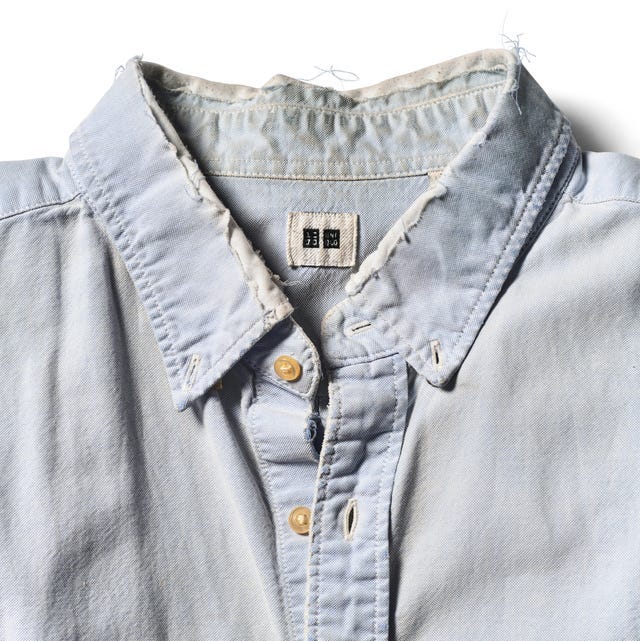
And you know what? It’s better now. The fabric has softened, the collar has a curve, and it feels like mine. The wear doesn’t look like damage—it looks like character. A perfectly pressed shirt? That’s just a shirt. A shirt with a wrinkle, a soft collar, a story? That’s style.
Loafers are another perfect example. When they’re too polished, they look uptight. But wear them to the park, the beach, or a bar, and they start to transform. A little scuff here, a little wear on the sole—that’s where the personality is. It’s not about trashing them; it’s about wearing them enough that they develop their own identity.
This is why overly pristine outfits miss the mark. They don’t have any life to them. A fresh-out-of-the-box outfit might look sharp in a photo, but in the real world, it feels sterile. It’s too clean, too controlled. It’s like you’re scared to let your clothes exist.

When you see someone who gets this, it’s obvious. Their jeans are perfectly faded in all the right spots, their jacket looks like it’s been with them through a dozen cities, and their sneakers have that perfect balance of clean and worn. Think back to Matty Healy on stage—his tie feels like a tee, not because it’s perfect, but because it’s been worn and softened by time. Or maybe it’s just because he knows a little dishevelment always looks cooler than trying too hard.
At the end of the day, clothes are supposed to live with you. A scuff on your shoes, a crease in your pants, a faded spot on your shirt—those aren’t flaws. They’re proof that you’ve actually worn your clothes. And worn clothes are always cooler.
Here’s a test: take your favorite piece of clothing—the thing you think is too nice to wear all the time—and just start wearing it. Wear it to a casual lunch, or a walk, or even sitting on your couch. Spill something on it. Throw it in the wash. Forget about keeping it pristine. You’ll notice something happens. It’ll stop feeling precious, start to feel real, and look better with every wear.
This is why the hyper-clean, catalog-ready aesthetic doesn’t work in the long run. Clothes that look untouched don’t have a personality. They’re like a blank canvas—fine, but not interesting. And worse, they keep you stuck chasing trends instead of figuring out what actually works for you. The best clothes have layers to them. They tell stories, even without saying anything.

That’s what it’s all about: the lived-in look. It’s not about being careless or sloppy—it’s about being real. It’s about wearing your clothes enough that they feel like an extension of you.
Worn clothes don’t just look better—they feel better. There’s no pressure to keep them pristine, no fear of ruining them. They’re not museum pieces. They’re yours. And maybe this is just my excuse for not trying harder to get stains out of my clothes—but let me have this. I swear I’m doing it on purpose.
That’s what I call a true luxury: https://vctnson.substack.com/p/luxury
Gauthier Borsarello also expressed a similar feeling recently:
— we are all like, oh, I love vintage, but actually, in the street, everyone has new clothes. I miss patina. When I was growing up, it was cool to always wear the same clothes. Like A.P.C. jeans, a white t-shirt, and a leather jacket. And you could see the patina in the street. I miss that. Everything is too new everywhere
Having your clothes look worn is the absolute secret to an outfit having “sauce” in my opinion, it comes down to authenticity, which really sits at the heart of everything which truly resonates with others. If your clothes are authentically your clothes, your worn, loved clothes, then your outfits will look authentic too.